Saudi Gazette report
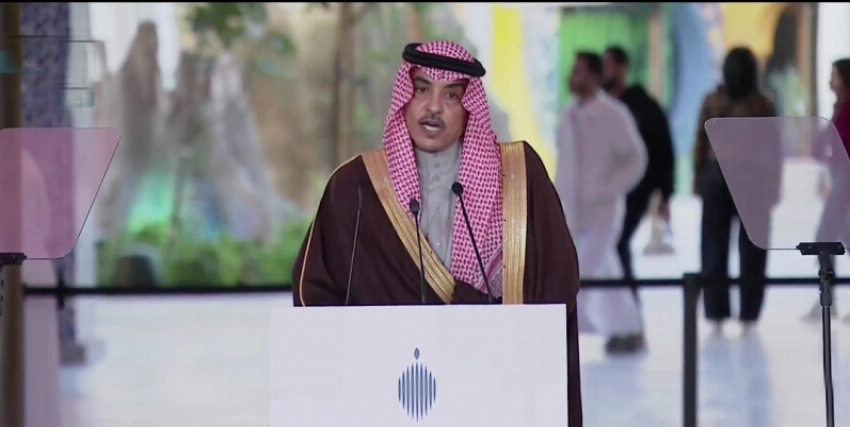
RIYADH — Saudi Minister of Media Salman Al-Dosari said on Monday that freedom of expression is guaranteed in the Kingdom through laws and regulations, but stressed that authorities clearly distinguish between responsible opinion, constructive criticism, and content aimed at misinformation or inciting public opinion.
Speaking at a press conference, Al-Dosari said Saudi regulations uphold freedom of expression as a fundamental right, while setting firm boundaries against practices that threaten social stability or public safety.
He explained that, as part of its regulatory role, the General Authority for Media Regulation had identified serious violations by individuals who published content deemed inflammatory and harmful to societal security. As a result, the authority took what he described as “strict measures and decisions” against those involved.
“These actions do not target opinions or constructive criticism,” Al-Dosari said.
“They fall within the enforcement of regulations against practices that exceed media responsibility and undermine social cohesion.”
He added that authorities would not tolerate attempts to use freedom of expression as a pretext to create chaos in traditional or digital media spaces, or to promote populist rhetoric aimed solely at increasing online followers.
Addressing recent travel disruptions in Riyadh airport, Al-Dosari acknowledged that flight cancellations and delays cause distress and inconvenience to passengers, noting that such incidents are unacceptable to both travelers and authorities.
He said Riyadh’s King Khalid International Airport had confirmed its commitment to the Passenger Rights Protection Regulations issued by the General Authority of Civil Aviation, stressing that all state entities are prepared to deal with emergencies or operational disruptions.
As an example of the balance between freedom and accountability, Al-Dosari pointed to public criticism from travelers affected by flight delays, saying their frustration was understandable.
However, he emphasized that the state differentiates clearly between legitimate criticism and incitement, which remains subject to legal accountability.